
Pancreatitis is inflammation in your pancreas. It’s usually temporary (acute) but can also be a life-long (chronic) condition. The most common symptom is abdominal pain. The most common causes are alcohol use and gallstones.
What is pancreatitis?
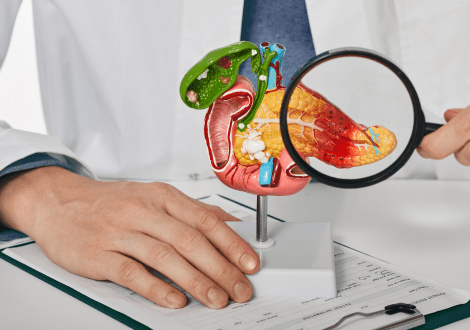
Pancreatitis is inflammation in your pancreas. Inflammation causes swelling and pain. If you have pancreatitis, it might feel like stomach pain that spreads to your back.
What are the different types of pancreatitis?
There are two types of pancreatitis: acute and chronic.
Acute pancreatitis
Acute pancreatitis is a temporary condition. It happens when your pancreas is attempting to recover from a minor, short-term injury. Most people with acute pancreatitis will recover completely in a few days with supportive care: rest, hydration and pain relief. However, a very severe case of acute pancreatitis can cause serious health complications, some of them life-threatening.
Chronic pancreatitis
Chronic pancreatitis is a long-term, progressive condition. It doesn’t go away and gets worse over time. It happens when the injury or damage to your pancreas never stops. Chronic pancreatitis will eventually do lasting damage to your pancreas, although it may take many years. Constant inflammation causes scarring of your pancreas tissues (fibrosis), which stops them from making enzymes and hormones.
Symptoms and Causes
What are the symptoms of pancreatitis?
The primary symptom of pancreatitis is abdominal pain.
Additional symptoms of acute pancreatitis may include:
Additional symptoms of chronic pancreatitis may include:
- Indigestion and pain after eating.
- Loss of appetite and unintended weight loss.
- Fatty poops that leave an oily film in the toilet.
- Lightheadedness (from low blood pressure).
What are the most common causes of pancreatitis?
The top two causes of pancreatitis are:
- Gallstones.
- Heavy drinking.
These causes together represent about 80% of pancreatitis cases.
Other causes
Less common causes of pancreatitis include:
- Infections, such as viruses.
- Autoimmune disease (autoimmune pancreatitis).
- Inherited gene mutations (hereditary pancreatitis).
- Complications of cystic fibrosis.
- High blood triglyceride levels (hypertriglyceridemia).
- High blood calcium levels (hypercalcemia).
- Ischemia (reduced blood supply).
- Cancer.
- Traumatic injury to your pancreas.
- Certain medications that irritate the pancreas.