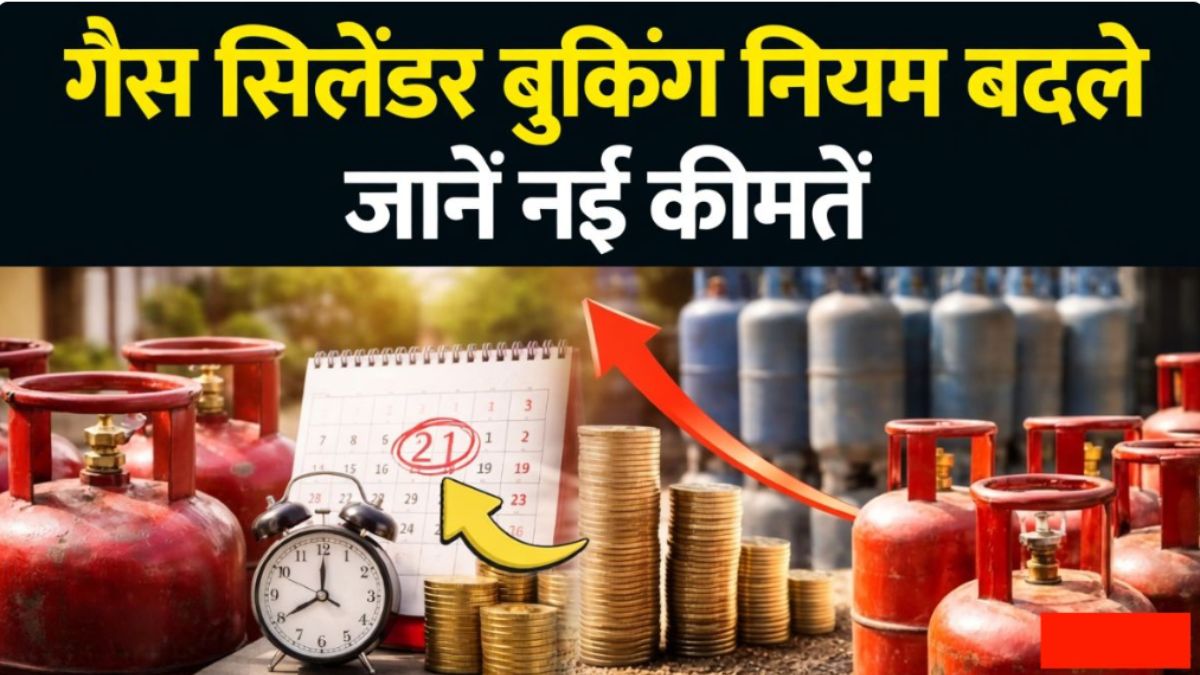
LPG Prices – The liquefied petroleum gas (LPG) cylinder is a staple in Indian kitchens, serving as the most widely used and convenient cooking fuel across the country. Any shift in its pricing sends ripples through the monthly budgets of millions of families. Toward the end of March 2026, another round of price revisions took effect, prompting households — particularly those in the middle and lower income brackets — to rethink their everyday expenditures.
New Cylinder Rates Across Major Cities
Following the latest revision, the cost of a standard 14.2 kg domestic LPG cylinder has climbed to approximately ₹950 in Delhi, while residents of Mumbai are now paying close to ₹975 for the same cylinder. Prices vary from one city to another due to differences in local taxation, transportation costs, and the structure of regional distribution networks. This means consumers in smaller cities and towns may encounter slightly different rates depending on where they live.
Why Do LPG Prices Keep Changing?
Several interconnected factors drive the fluctuation in domestic gas prices:

- Global crude oil and gas markets: India imports a significant share of its energy needs, making it highly sensitive to international price movements. When global oil and gas rates rise, that increase is eventually passed on to domestic consumers.
- Supply chain disruptions: Any instability in international supply chains can tighten availability and push prices upward.
- Domestic logistics and state taxes: The cost of transporting gas across India, combined with state-level levies, adds to the final price consumers pay at the doorstep.
The Current State of Subsidies
The government continues to offer LPG subsidies to certain eligible consumer groups, with the benefit directly credited to bank accounts linked to Aadhaar cards. This direct benefit transfer system was introduced to ensure that financial assistance reaches only those who genuinely qualify for it, reducing leakages in the distribution chain.
However, many consumers have expressed concern that the subsidy amount has shrunk compared to earlier years, and that not everyone entitled to it receives the benefit consistently. The debate around the adequacy and reach of LPG subsidies remains ongoing.
The Burden on Ordinary Households
Price hikes weigh most heavily on middle-class and low-income families who are already navigating broader inflationary pressures. In response, many households have begun adopting fuel-saving habits and exploring alternatives:
- Electric induction cooktops are gaining traction in urban areas as a substitute for gas-based cooking.
- In rural regions, some families are turning to biogas systems and other locally available energy options.
These behavioral shifts highlight how rising fuel costs are not just a financial concern — they are actively reshaping the way people cook and manage their homes.
Government Push Toward Alternative Energy
Recognizing the long-term risks of heavy import dependence, the government is actively promoting renewable and alternative energy sources. Key initiatives include:
- Expanding the adoption of solar energy for domestic use.
- Setting up biogas plants in rural and semi-urban communities.
- Investing in programs aimed at improving energy efficiency and boosting domestic production.
The broader goal is to reduce India’s reliance on imported fossil fuels, which would not only help stabilize energy prices for consumers but also contribute to a cleaner environment over time.

What Lies Ahead
Energy analysts suggest that as long as India remains significantly dependent on fuel imports, LPG prices will continue to be subject to external pressures and periodic revisions. The path to more stable pricing, they argue, runs through accelerated investment in domestic energy production and alternative fuel infrastructure. Should these efforts gain momentum, Indian consumers could see greater price predictability in the years ahead.